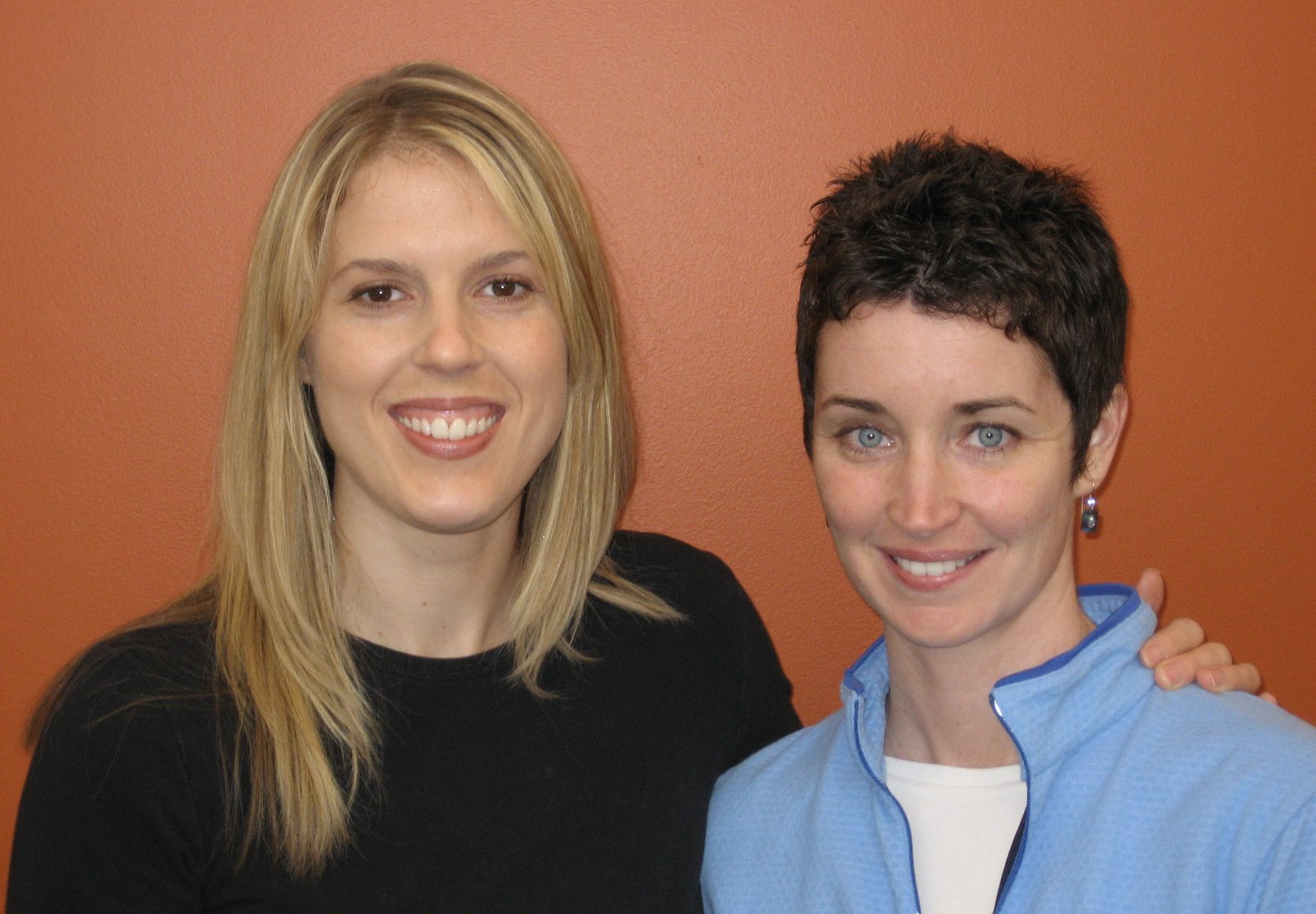
Knowing which foods to avoid (or severely limit) during pregnancy is especially important. It's a time in a woman's life when she should be especially careful to protect her developing baby. Some foods on this list are obvious, like alcohol, but others may come as a surprise.
1. Junks Foods
It will be challenging to find the time to burn off these extra dead calories. Plus they are full of detrimental non-foods that are bad for you and your baby.
"Junk food" includes the usual suspects: fried foods, margarine, soft drinks, sweets, anything made with white flour (crackers, cookies, bread, cereals) and most boxed foods. They contain synthetic vitamin A which is toxic, and best avoided while pregnant.
Do the "ingredient list test" - how long is the list and how many words look like something out of a chemistry text book?
2. Caffeine
It is best to avoid or at least reduce your caffeine intake to no more than 200mg per day. It reduces iron absorption, interferes with normal fetal growth and is associated with lower birth weight and an increased risk of miscarriage.
3. Alcohol
I'm sure it's not a big surprise to avoid alcohol while pregnant. It negatively affects the developing fetus. Enough said.
4. Trans Fats
Trans fats inhibit the conversion of fatty acids needed for fetal brain growth and decrease the fat content of breast milk. Also, it has been found to decrease sperm count.
Do not trust labels that claim products are trans fat free. If a food has half a gram or less per serving than it can be labeled "trans fat free". No big deal? Well, the Institute of Medicine even stated there is no safe intake level for trans fats.
It's not good for you and it's not good for your developing baby. If the ingredient list has the words "partially hydrogenated" it's got trans fat and it is a food to avoid during pregnancy.
5. Artificial and Refined Sweeteners
Artificial and refined sweeteners (like Splenda, Sweet-n-Low, Aspertame, Nutra-Sweet, etc.) are a source of empty calories and a great way to gain too much weight. They can also negatively affect your baby's ability to regulate blood sugar.
Artifical and refined sweeteners can increase your cravings for sugar (causing too much weight gain). So, the more you eat, the more you want to eat and this increases the demands on your body's insulin production (which is also the pathway to diabetes).
A study out of The University of Texas Science Center at San Antonio suggests that the more diet sodas a person drinks, the more likely they are to become over weight.
There's all kinds of information out there about how nasty artificial sweeteners are for you. It is a neurological toxin and can cause headaches and even seizures. Just say NO!
Stick to drinking water (filtered if you can), mineral water or lacto-fermented beverages to satisfy your thirst.
6. Commercial Fried Foods
It's no big surprise that fried foods aren't good for you or your baby. You are just consuming extra calories with out any nutrient benefits. They are also full of trans fat. (see #4 in Part 1 of this article)
7. Food Additives
Food additives (such as MSG) are neurotoxins (bad for the nervous system). I find it rather scary that a study found brain lesions on developing embryos assiciated with MSG intake.
MSG may appear in the ingredient list as: hydrolyzed protein, calcium, sodium casinate, textured protein, citric acid, soy foods, malt flavorings, flavorings, and natural flavorings - so CHECK YOUR LABELS!
As a side note, seasonings all usually contain MSG.
8. Soy
Soy food is a highly processed and refined food. It is also full of things that will block you and your developing baby from absorbing nutrients such as zinc, iron, calcium and magnesium.
Consuming it also increases the mothers need for vitamin D.
Soy also contains phytoestrogens (a.k.a plant estrogen) which can negatively impact the fetal development of the reproductive organs and brain.
In recap, the eight foods to avoid during pregnancy are:
1. Junk Foods
2. Caffeine
3. Alcohol
4. Trans Fat
5. Artificial and Refined Sweetners
6. Commercial Fried Foods
7. Food Additives
8. Soy
Making at least some of these changes to your food intake will do wonders for your baby! And, if you can do them all, even better. For information you won't want to miss on eating and exercising for a healthy happy baby, check out our Fit and Healthy Pregnancy Guide at www.FitandHealthyPregnancy.com/thebook.asp
Showing posts with label nutrition. Show all posts
Showing posts with label nutrition. Show all posts
Saturday, February 23, 2008

Sunday, February 3, 2008
Pregnancy Diet Plan –Discover Lacto-Fermented Foods
A pregnancy diet plan must include a regular intake of lacto-fermented foods. These are foods preserved the old fashioned way (before refrigerators or freezers). Eating these foods provides a natural food form of a probiotic.
Lacto-fermented foods to include in a pregnancy diet plan are:
¨ Live sauerkraut, pickles, salsa and chutneys (fruit or vegetable)
¨ kimichi
¨ Yogurt
¨ Kefir
¨ Grass-fed cheese
¨ Crème fraiche
*Live means they are not shelf stable and must be refrigerated. This is because they were not heated (pasteurized) or made with vinegar, but with whey and/or salt.
There are many health reasons why these foods are an important part of a pregnancy diet plan.
Help reduce constipation
They are a great natural vitamin C source
Increase B vitamins
Increase intestinal good bacteria
Help neutralize anti-nutrients (those substances in food that make it hard on your body to absorb the good stuff).
Strengthen the immune system
Post-baby benefits-encourages lactation and helps baby build their good gut bacteria
They should be used as a condiment in a pregnancy diet plan. When looking for pre-made lacto-fermented foods-remember they have to be refrigerated (cannot be stored on the shelf), made with whey and/or salt (not vinegar). You also have the option of making your own which is worth the time to reap their benefits.
Below is a recipe for a lacto-fermented food to get you started on your way to having a healthy pregnancy diet.
Pickled cucumbers
4-5 pickling cucumbers 1 Tbsp mustard seeds
2 Tbsp fresh dill, snipped 2 Tbsp Celtic sea salt
1c filtered water
Wash cucumbers well and place in a quart-sized wide mouth mason jar. Combine remaining ingredients and pour over cucumbers, adding more water if necessary to cover the cucumbers. The top of the liquid should be at least 1 inch below the top of the jar. Cover tightly and keep at room temperature for about 3 days before transferring to the refrigerator. (Note: recipe from Nourishing Traditions)
Lacto-fermented foods to include in a pregnancy diet plan are:
¨ Live sauerkraut, pickles, salsa and chutneys (fruit or vegetable)
¨ kimichi
¨ Yogurt
¨ Kefir
¨ Grass-fed cheese
¨ Crème fraiche
*Live means they are not shelf stable and must be refrigerated. This is because they were not heated (pasteurized) or made with vinegar, but with whey and/or salt.
There are many health reasons why these foods are an important part of a pregnancy diet plan.
Help reduce constipation
They are a great natural vitamin C source
Increase B vitamins
Increase intestinal good bacteria
Help neutralize anti-nutrients (those substances in food that make it hard on your body to absorb the good stuff).
Strengthen the immune system
Post-baby benefits-encourages lactation and helps baby build their good gut bacteria
They should be used as a condiment in a pregnancy diet plan. When looking for pre-made lacto-fermented foods-remember they have to be refrigerated (cannot be stored on the shelf), made with whey and/or salt (not vinegar). You also have the option of making your own which is worth the time to reap their benefits.
Below is a recipe for a lacto-fermented food to get you started on your way to having a healthy pregnancy diet.
Pickled cucumbers
4-5 pickling cucumbers 1 Tbsp mustard seeds
2 Tbsp fresh dill, snipped 2 Tbsp Celtic sea salt
1c filtered water
Wash cucumbers well and place in a quart-sized wide mouth mason jar. Combine remaining ingredients and pour over cucumbers, adding more water if necessary to cover the cucumbers. The top of the liquid should be at least 1 inch below the top of the jar. Cover tightly and keep at room temperature for about 3 days before transferring to the refrigerator. (Note: recipe from Nourishing Traditions)
Friday, January 18, 2008
The Best Pregnancy Diet
“What’s the best pregnancy diet?”
This is one of the most important questions every woman who is pregnant or trying to become pregnant should be asking. It is so important because they are solely responsible for feeding and nourishing their growing baby.
The best pregnancy diet is one that will supply all the nutrients needed to support optimal fetal development (such as brain, nervous and skeletal system) while also giving the mother’s body its needed nutrients. It’s also the one that will curb food cravings and prevent an unhealthy weight gain, which could put both the baby and mother at risk for many health complications.
Specifically, it will consist of the foods listed below:
High quality protein (grass-fed meats, eggs from cage free grass-fed chickens)
High quality dairy (raw grass-fed: cheese, cream, milk and butter)
Soaked grains and nuts
Stocks (bone broths)
Organic or locally grown fruits and veggies
High quality fat
Lacto-fermented foods
High potency fish oil
Filtered water
Eating the foods above will provide all the necessary nutrients a mother and developing baby needs such as:
B vitamins
Calcium
Iron
Zinc
Copper
Magnesium
Vitamin D
Healthy omega 3 to omega 6 ratio
Conjugated Linolenic Acid
Vitamin A
Vitamin C
Folate
Cholesterol
This means that you will gain a healthy weight and have less to lose after pregnancy.
Why?
Because by giving your body and baby what is needed, you won’t be tempted to overeat or be a victim to food cravings! And that’s just another reason why it is the best pregnancy diet.
This is one of the most important questions every woman who is pregnant or trying to become pregnant should be asking. It is so important because they are solely responsible for feeding and nourishing their growing baby.
The best pregnancy diet is one that will supply all the nutrients needed to support optimal fetal development (such as brain, nervous and skeletal system) while also giving the mother’s body its needed nutrients. It’s also the one that will curb food cravings and prevent an unhealthy weight gain, which could put both the baby and mother at risk for many health complications.
Specifically, it will consist of the foods listed below:
High quality protein (grass-fed meats, eggs from cage free grass-fed chickens)
High quality dairy (raw grass-fed: cheese, cream, milk and butter)
Soaked grains and nuts
Stocks (bone broths)
Organic or locally grown fruits and veggies
High quality fat
Lacto-fermented foods
High potency fish oil
Filtered water
Eating the foods above will provide all the necessary nutrients a mother and developing baby needs such as:
B vitamins
Calcium
Iron
Zinc
Copper
Magnesium
Vitamin D
Healthy omega 3 to omega 6 ratio
Conjugated Linolenic Acid
Vitamin A
Vitamin C
Folate
Cholesterol
This means that you will gain a healthy weight and have less to lose after pregnancy.
Why?
Because by giving your body and baby what is needed, you won’t be tempted to overeat or be a victim to food cravings! And that’s just another reason why it is the best pregnancy diet.
Wednesday, January 16, 2008
Top Nine Tips for Morning Sickness Relief
Many of my pregnant friends would say that it really shouldn’t be called “Morning sickness.” They said that a more accurate term would be “Day sickness.” I was lucky and only had the morning version in a mild form, but it still wasn’t fun.
Unfortunately, there is no “one size fits all” approach to dealing with the common pregnancy experience of morning sickness. It’s more of a trial and error to find what works for you. Here are a few things to try:
· Munch on dry crackers by Late July or Newman’s Own graham cracker cookies (or look for brands that use butter, palm oil/fruit)-especially first thing in the morning
· Keep hydrated by sipping on water or warmed stock
· Drink raw real milk (read more on this in FHP guide)
· Munch or suck on whole wheat pretzels
· Try some ginger in the form of tea (can make it iced tea), crystalline, gingersnaps (Mi-Del is a good brand name)
· Eat small mini meals every three hours (this also helps reduce food cravings)
· Please be sure to see your OB/GYN if you are not able to eat, hold down food/fluids, not gaining or losing weight
· Avoid spicy or heavy foods
· Vitamin B6 may be of help which is found in these foods:
raw full fat dairy, raw egg yolk from cage free pastured chicken (heat destroys B6), sprouted grains, onions, sweet potato, lacto- fermented foods (these foods increase the bacteria in your gut which produce vitamin B6-more on this in the FHP guide)
Try any of these to see if they provide you some relief from your morning sickness. If one doesn’t work, maybe another one will. The main idea is not to let your belly be empty and to keep fluids coming in. But, also to trust your instinct and seek medical advice if you are not able to keep fluids or foods down-if in doubt at least ask your OB/GYN.
Unfortunately, there is no “one size fits all” approach to dealing with the common pregnancy experience of morning sickness. It’s more of a trial and error to find what works for you. Here are a few things to try:
· Munch on dry crackers by Late July or Newman’s Own graham cracker cookies (or look for brands that use butter, palm oil/fruit)-especially first thing in the morning
· Keep hydrated by sipping on water or warmed stock
· Drink raw real milk (read more on this in FHP guide)
· Munch or suck on whole wheat pretzels
· Try some ginger in the form of tea (can make it iced tea), crystalline, gingersnaps (Mi-Del is a good brand name)
· Eat small mini meals every three hours (this also helps reduce food cravings)
· Please be sure to see your OB/GYN if you are not able to eat, hold down food/fluids, not gaining or losing weight
· Avoid spicy or heavy foods
· Vitamin B6 may be of help which is found in these foods:
raw full fat dairy, raw egg yolk from cage free pastured chicken (heat destroys B6), sprouted grains, onions, sweet potato, lacto- fermented foods (these foods increase the bacteria in your gut which produce vitamin B6-more on this in the FHP guide)
Try any of these to see if they provide you some relief from your morning sickness. If one doesn’t work, maybe another one will. The main idea is not to let your belly be empty and to keep fluids coming in. But, also to trust your instinct and seek medical advice if you are not able to keep fluids or foods down-if in doubt at least ask your OB/GYN.
Friday, December 21, 2007
Pregnancy Nutrition – Is Caffeine OK?
Back in 1980 the FDA published a warning advising pregnant women to restrict or eliminate their intake of caffeine because of its teratogenic effects (cause birth defects). This was echoed in 1994 with a review of over 200 medical journals by Dr. Astrid Nehlig that was published in The Journal of Neurotoxicology and Teratology.
Currently, the advice on caffeine intake during pregnancy is moderation - meaning less than 300mg. This is because new studies show no harm with intakes less than that. Due to the fact that scientific studies are showing new and different results, I tend to be conservative in my personal view on caffeine and pregnancy.
What does caffeine do?
Caffeine stimulates your central nervous system, leaches calcium, reduces iron absorption, has a diuretic effect and crosses the placenta into your baby. This means it has the following results in your body:
Raises your heart rate
Decreases the amount of calcium in your body
Dehydrates you
Increases your blood pressure
AND the same things occur for your baby (except baby will steal from your bones to get needed calcium)
That’s not all - it also interferes with a normal fetal growth, is associated with lower birth weight and weakens adrenal glands, which affect your blood sugar regulation and stress coping abilities.
It is best to avoid or at least reduce your caffeine intake to no more than 300mg per day. Some experts say no more than 150mg per day. You may be able to handle the caffeine, but baby’s liver is immature and not able to get rid of it like you. Imagine if that 1 cup of morning coffee lasted you 40-130 hours as it does for your baby.
Common caffeine sources
Coffee (100-200 mg per 8 ounce)
Tea (black 60mg, green 40mg)
Soda (40-75mg per can)
Dark Chocolate (5-35mg per 1 ounce)
Milk Chocolate (1-15mg per 1 ounce)
Headache medicine (65-130mg)
If you are a caffeine user, I recommend reducing to less than 300mg per day (some studies show increase miscarriages with more than 300mg). Then gradually reducing to as close to zero as possible, which will not only benefit your baby, but also your ability to handle stress.
www.FitandHealthyPregnancy.com
Currently, the advice on caffeine intake during pregnancy is moderation - meaning less than 300mg. This is because new studies show no harm with intakes less than that. Due to the fact that scientific studies are showing new and different results, I tend to be conservative in my personal view on caffeine and pregnancy.
What does caffeine do?
Caffeine stimulates your central nervous system, leaches calcium, reduces iron absorption, has a diuretic effect and crosses the placenta into your baby. This means it has the following results in your body:
Raises your heart rate
Decreases the amount of calcium in your body
Dehydrates you
Increases your blood pressure
AND the same things occur for your baby (except baby will steal from your bones to get needed calcium)
That’s not all - it also interferes with a normal fetal growth, is associated with lower birth weight and weakens adrenal glands, which affect your blood sugar regulation and stress coping abilities.
It is best to avoid or at least reduce your caffeine intake to no more than 300mg per day. Some experts say no more than 150mg per day. You may be able to handle the caffeine, but baby’s liver is immature and not able to get rid of it like you. Imagine if that 1 cup of morning coffee lasted you 40-130 hours as it does for your baby.
Common caffeine sources
Coffee (100-200 mg per 8 ounce)
Tea (black 60mg, green 40mg)
Soda (40-75mg per can)
Dark Chocolate (5-35mg per 1 ounce)
Milk Chocolate (1-15mg per 1 ounce)
Headache medicine (65-130mg)
If you are a caffeine user, I recommend reducing to less than 300mg per day (some studies show increase miscarriages with more than 300mg). Then gradually reducing to as close to zero as possible, which will not only benefit your baby, but also your ability to handle stress.
www.FitandHealthyPregnancy.com
Subscribe to:
Posts (Atom)